

4 min readUpdated
How long should a reel be? Pick the length by its job
Short answer
A reel should be as long as its one idea takes to land. As a starting point, use 7 to 15 seconds for a single punchy point, 20 to 45 seconds for a tip or short list, and 45 to 90 seconds for a lesson or story. Cut every pause and repeat first, then judge the length.
On this page
Why length depends on the Reel's job
Instagram accepts Reels of up to three minutes at the time of writing, and that limit has changed before, so check the app. The limit tells you what is allowed, not what works. A 90-second Reel that keeps people watching is better than a 15-second one they swipe away from at second four.
What matters is whether every second earns the next. Instagram shows you how long people watch in Reels insights, and that curve is a better guide than any rule. Start from the job the Reel has to do, choose a length range for it, then let your own retention data move you up or down.
Reel length by goal
| Goal | Starting length | Spoken words, roughly | Example |
|---|---|---|---|
| Reach new people | 7 to 15 seconds | 15 to 35 | One bold claim and one proof line |
| Quick tip people save | 20 to 45 seconds | 50 to 110 | Three steps to fix a common problem |
| Teach a concept | 45 to 90 seconds | 110 to 220 | What a term means and how to use it |
| Tell a story or case study | 45 to 90 seconds | 110 to 220 | A client problem, what you did, the result |
| Promote an offer or event | 15 to 30 seconds | 35 to 75 | What it is, who it is for, how to join |
Word counts assume a natural pace of about two and a half words per second. Fast talkers fit more; pauses and on-screen beats fit less.
The case for very short Reels
A Reel under 15 seconds is often watched more than once, because it loops before the viewer decides to scroll. That makes short Reels good for reaching people who do not know you yet. The catch is that you get one idea, no warm-up and no second point.
Ten seconds is a useful target for a hook Reel. Two SkilledCut templates are built around it: Glass makes a premium 10-second reel with a glass ribbon behind you and abstract scenes cut in, and Bold makes a 10-second reel where giant words slam in behind your head and the video never pauses. Both need your clearest single line, so pick one sentence before you film.
When a longer Reel is the right call
Teaching, stories and case studies need room. If you cut a three-step method to ten seconds, you lose the steps and the saves that come with them. A longer Reel works when it has structure the viewer can feel: a clear promise at the start, visible progress through numbered points or chapters, and a payoff at the end.
The Explainer template suits this kind of video. It cuts pauses, filler sounds and repeated takes on its own, then adds gold word-by-word captions, a title and key points as you explain, so a 60-second lesson keeps moving. A visual change every few seconds matters more as the Reel gets longer.
How to trim a Reel to the length it needs
The first step is the one most worth automating. The clean cut workflow removes pauses and dead air at word boundaries and nothing else, so you can judge the real length before deciding what to drop. With an AI agent you can go further: "Cut my latest video to under 30 seconds and keep the three steps" asks the agent to choose the strongest words for you. More length and trimming prompts are on the prompts page.
- Cut every pause, um and repeated take first. Most raw clips lose a noticeable share of their length here without losing a word of meaning.
- Remove the warm-up. If the first sentence is 'So today I want to talk about', start at the sentence after it.
- Drop the second example when one example makes the point.
- Cut the outro to one line: the action you want, said once.
- Watch it again. If you still feel a slow patch, it is too long.
How to tell if your Reels are the wrong length
Compare Reels by batch rather than one at a time, since a single video can be lifted or sunk by its topic. Our guide to good audience retention explains how to read the curve.
- Viewers drop off sharply in the first three seconds: the hook is the problem, not the length.
- Viewers drop off steadily all the way through: the Reel is probably too long for its idea.
- Most viewers reach the end and many rewatch: you may have room to add a little more value.
- Saves are high but reach is low: try a shorter cut of the same idea as a separate Reel.
Templates for this
Ask your AI agent for any of them by name. Every template is included with SkilledCut, plus all upcoming ones.
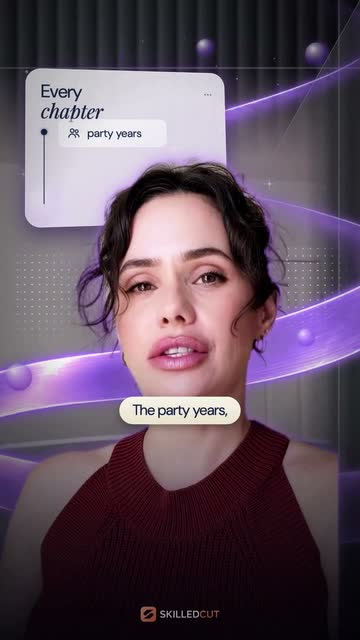 GlassA premium 10-second reel: a glass ribbon behind you, frosted cards and glass scenes cut in./glassSee it
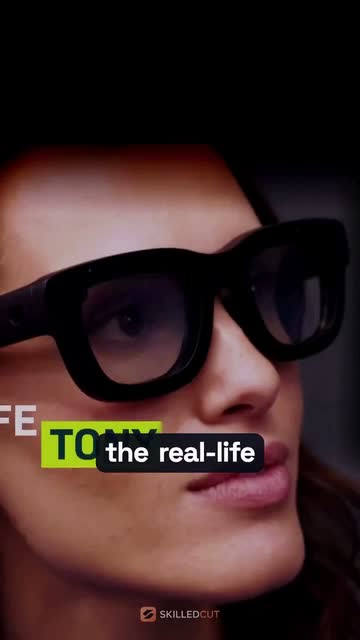 BoldA 10-second reel where giant words slam in behind you and captions pop word by word./boldSee it
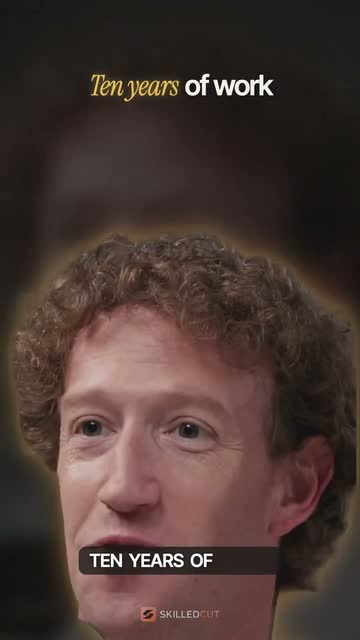 ExplainerTurns a talking clip into a clear lesson with gold word-by-word captions and points on screen./explainerSee it
Frequently asked questions
Short answers to what people ask before they try it.
What is the maximum length for an Instagram Reel?
Instagram accepts Reels of up to three minutes at the time of writing. Limits change, so check the app before planning a long one.
Are 15-second Reels better than 60-second Reels?
Not automatically. Short Reels suit one idea and reaching new people; longer ones suit teaching and stories. Pick by the Reel's job and check your own retention.
How many words fit in a 30-second Reel?
About 75 spoken words at a natural pace. Leave a little room for on-screen beats such as a list or a big word.
Should a Reel and a YouTube Short be the same length?
They can be. One file of under a minute posts cleanly to both, plus TikTok, as long as the hook and safe zone work on each app.
Keep reading
Short-form growth
How long should a short-form video be?
There is no single best length. How to choose one by idea, platform rules and audience behaviour, with a words-to-seconds guide and a test plan.
ReadShort-form growth
What is a good audience retention for short videos?
How to read a retention graph, why benchmarks mislead and which drops to fix first: the opening, the middle or the ending.
ReadUse cases
How to make a 10-second hook reel
Write and edit a 10-second reel that stops the scroll. A 25-word script formula and how Bold and Glass style it with your AI agent.
ReadBlog
Reel hook ideas for the first 3 seconds, sorted by goal
Thirty fill-in-the-blank reel hook ideas sorted by goal, plus the visual hook that matches each one: word slams, counters, hook titles and checklists.
ReadBlog
The reels editing checklist: 25 checks from raw clip to post
A reels editing checklist in four stages: raw clip, cut, look and export. Which checks an AI video editor can run for you and which still need your eyes.
Read
More in the blog or all 16 templates.
Your next Reel is one prompt away.
One payment for every template, effect, voice and workflow, plus all upcoming templates. Pay once, use forever.